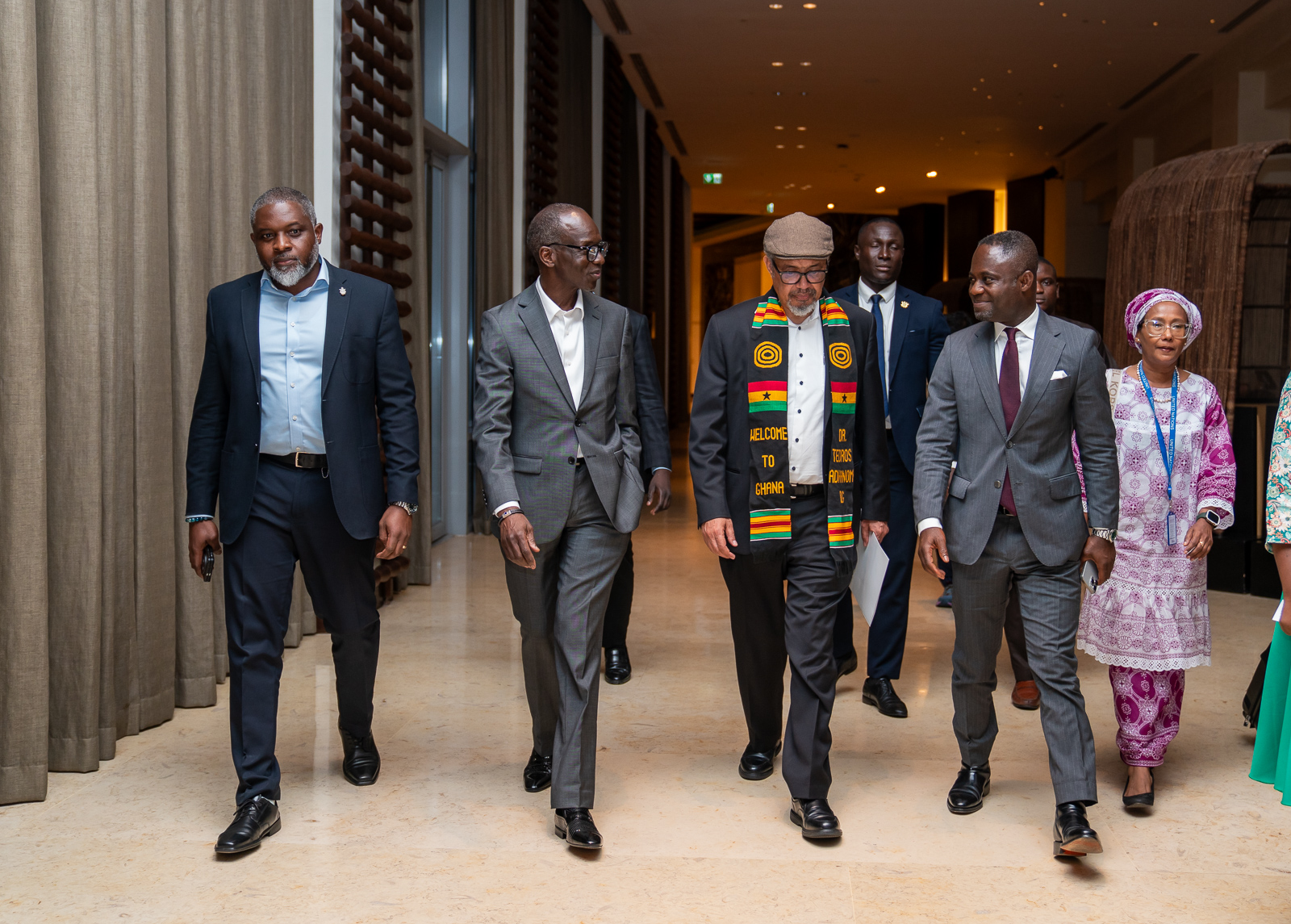
From 4–6 August 2025, Ghana welcomed the highest leadership of the World Health Organization (WHO) for a series of strategic engagements aimed at strengthening health systems and advancing sustainable health financing in Africa.
The Director-General of WHO, Dr Tedros Adhanom Ghebreyesus, and the WHO Regional Director for Africa, Dr Mohammed Yakubu Janabi, were in Accra to participate in the Africa Health Sovereignty Summit, hosted by the Government of Ghana.
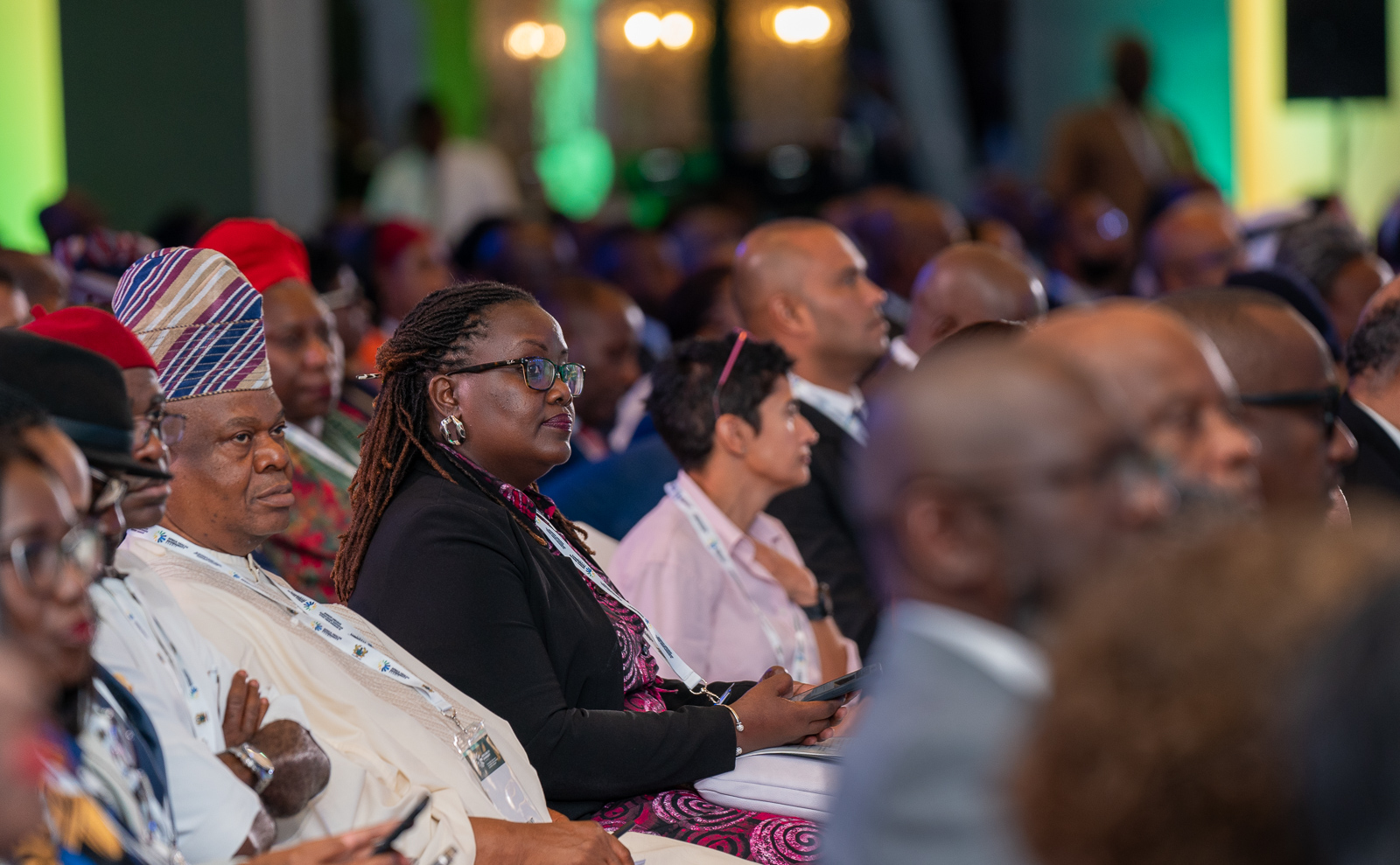
The Africa Health Sovereignty Summit was born out of an urgent need for Africa to take greater ownership of its health agenda. Amidst a shifting global financing landscape and rising public health threats, the summit created space for African Heads of State, Ministers of Health and Finance, private sector actors, global health leaders, and civil society to reimagine the continent’s health financing architecture.
For decades, Africa has depended heavily on external aid to finance health systems, procure medicines, and respond to disease outbreaks. However, this model is becoming increasingly unsustainable. Global health funding is declining sharply, while the continent’s health needs continue to grow. The summit called for a new model—one built on domestic resource mobilization, local manufacturing, and regional solidarity.
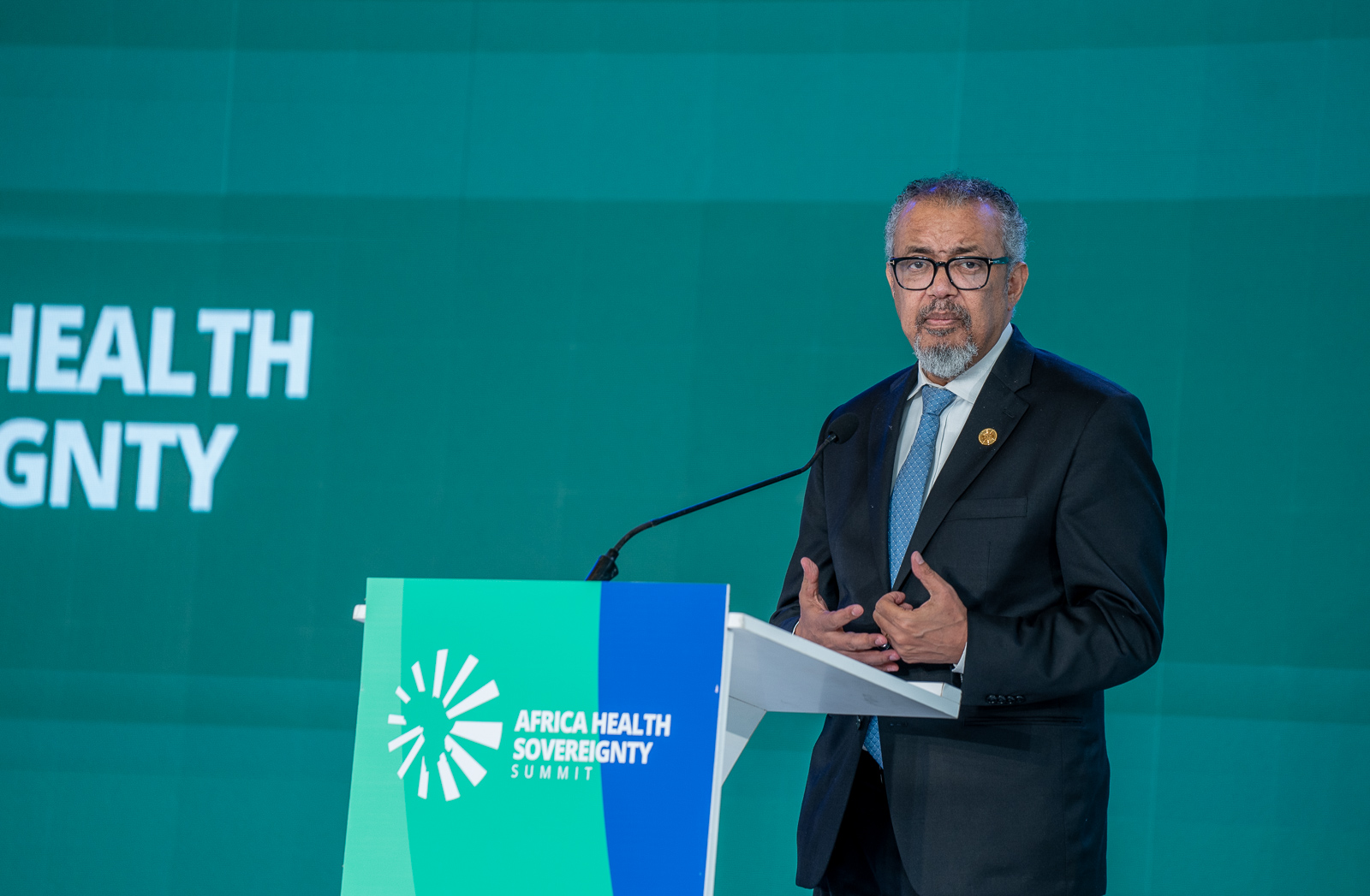
Speaking at the summit, Dr Tedros revealed a worrying trend of decline in funding.
“According to WHO’s latest analysis, health aid is projected to decline by up to 40% this year compared to just two years ago. This is not a gradual shift – it is a cliff edge. Africa must invest in its own systems. The future of global health security depends on the strength of national systems”, he said.
“According to WHO’s latest analysis, health aid is projected to decline by up to 40% this year compared to just two years ago. This is not a gradual shift – it is a cliff edge. Africa must invest in its own systems. The future of global health security depends on the strength of national systems”, he said.
WHO’s participation in the summit reflects its deep commitment to supporting countries to build resilient health systems, expand local access to life-saving technologies, and achieve Universal Health Coverage (UHC). The organization continues to work with governments to increase domestic financing, invest in primary healthcare, and boost pandemic preparedness.
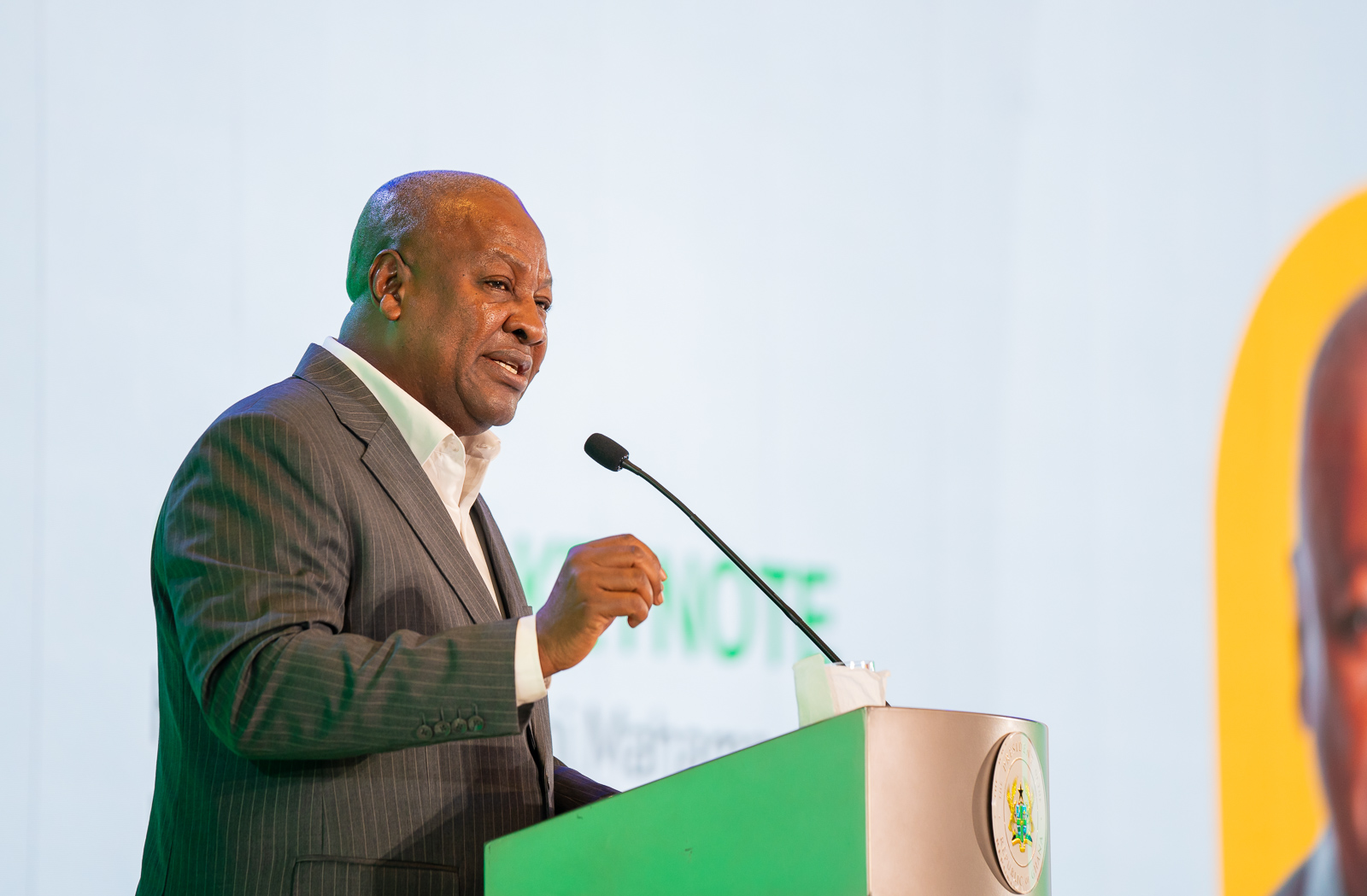
“We must reject the outdated notion that health drains our economies. Health is the engine of our productivity and the bedrock of inclusive growth”, said President John Dramani Mahama during his keynote address.
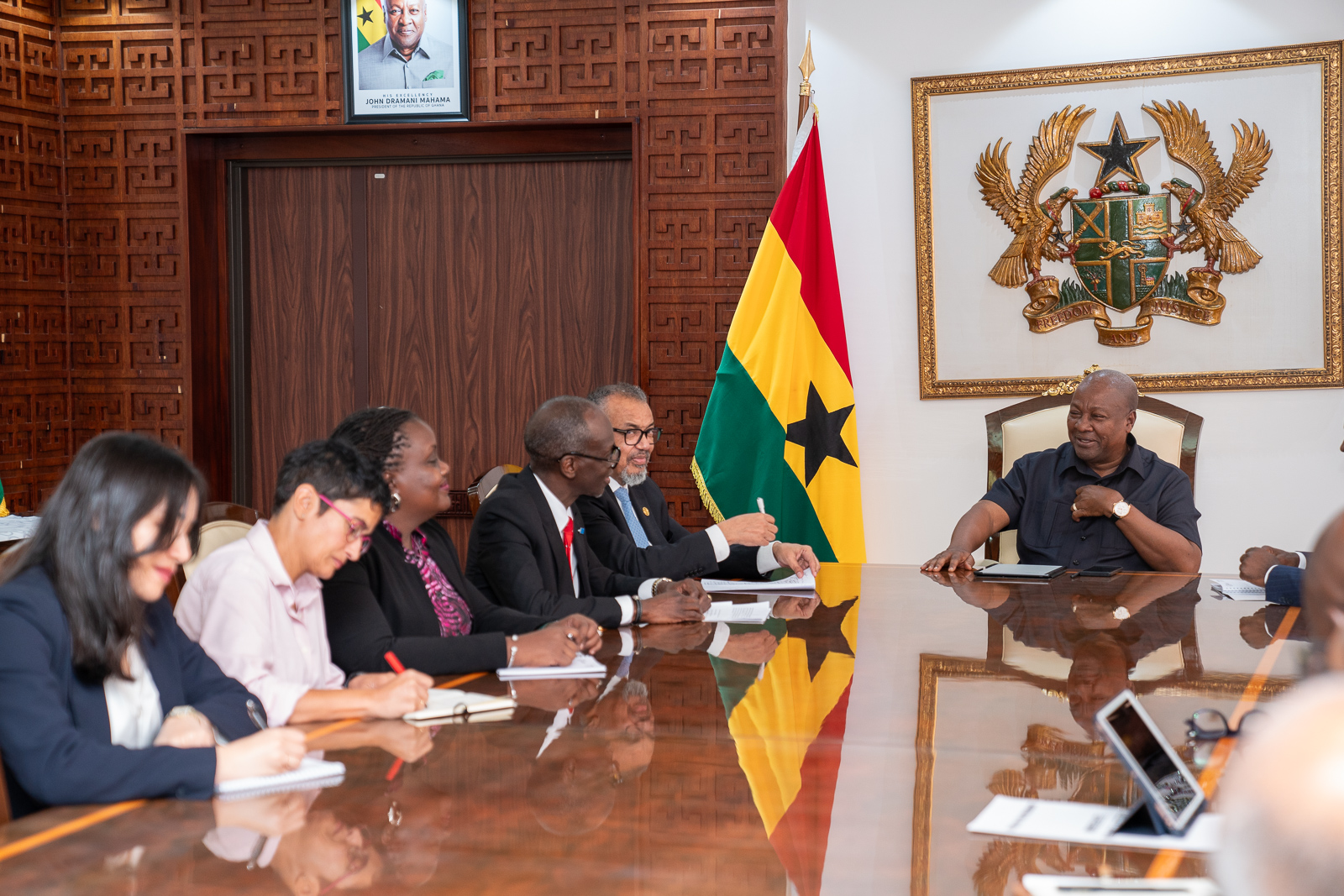
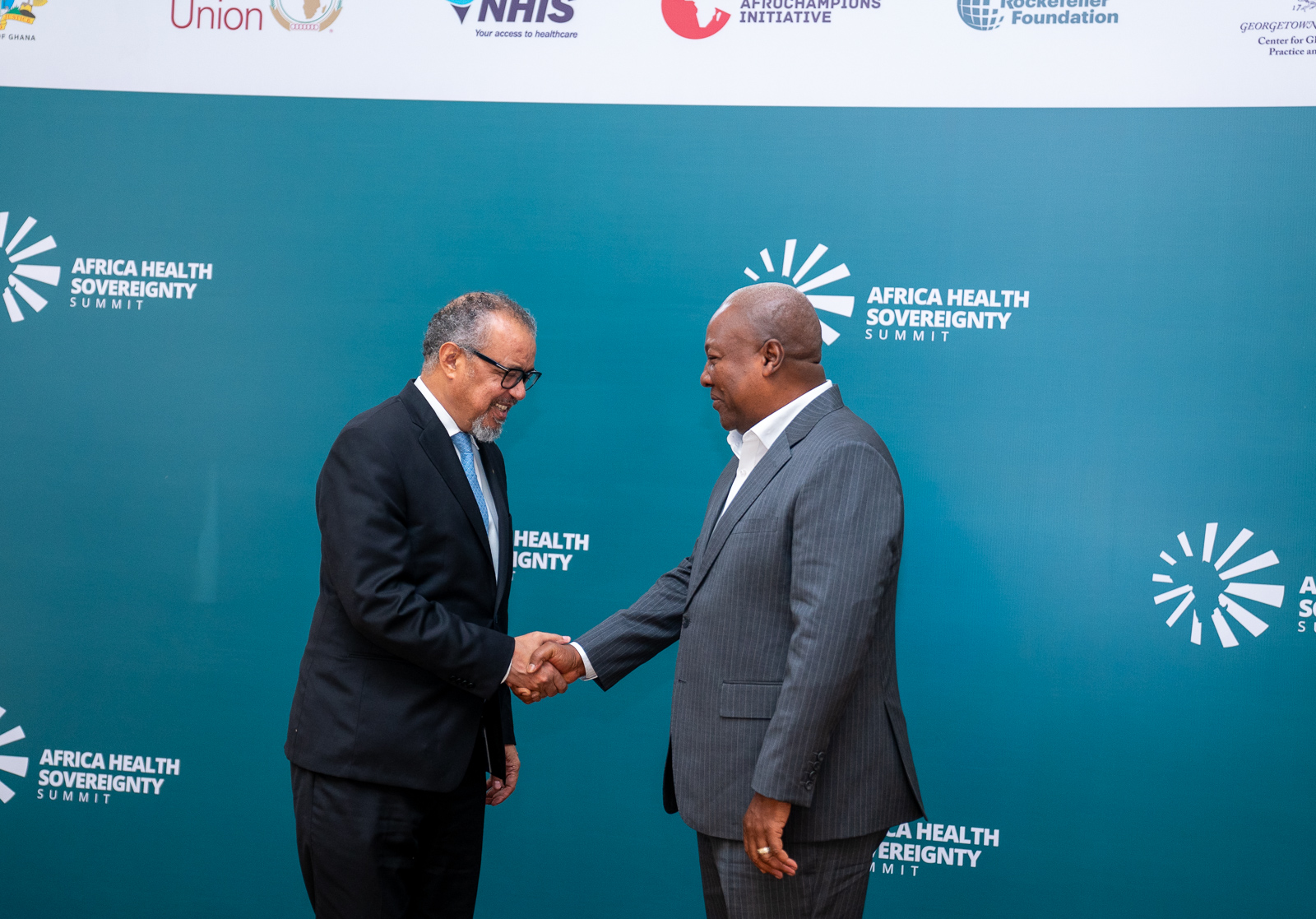
On the sidelines of the summit, Dr Tedros paid a courtesy call on President Mahama, where they discussed Ghana’s health priorities and the importance of effective partnerships to improve population health. He also visited the WHO Ghana Country Office, engaging directly with staff and thanking them for their dedication to delivering impact on the ground.
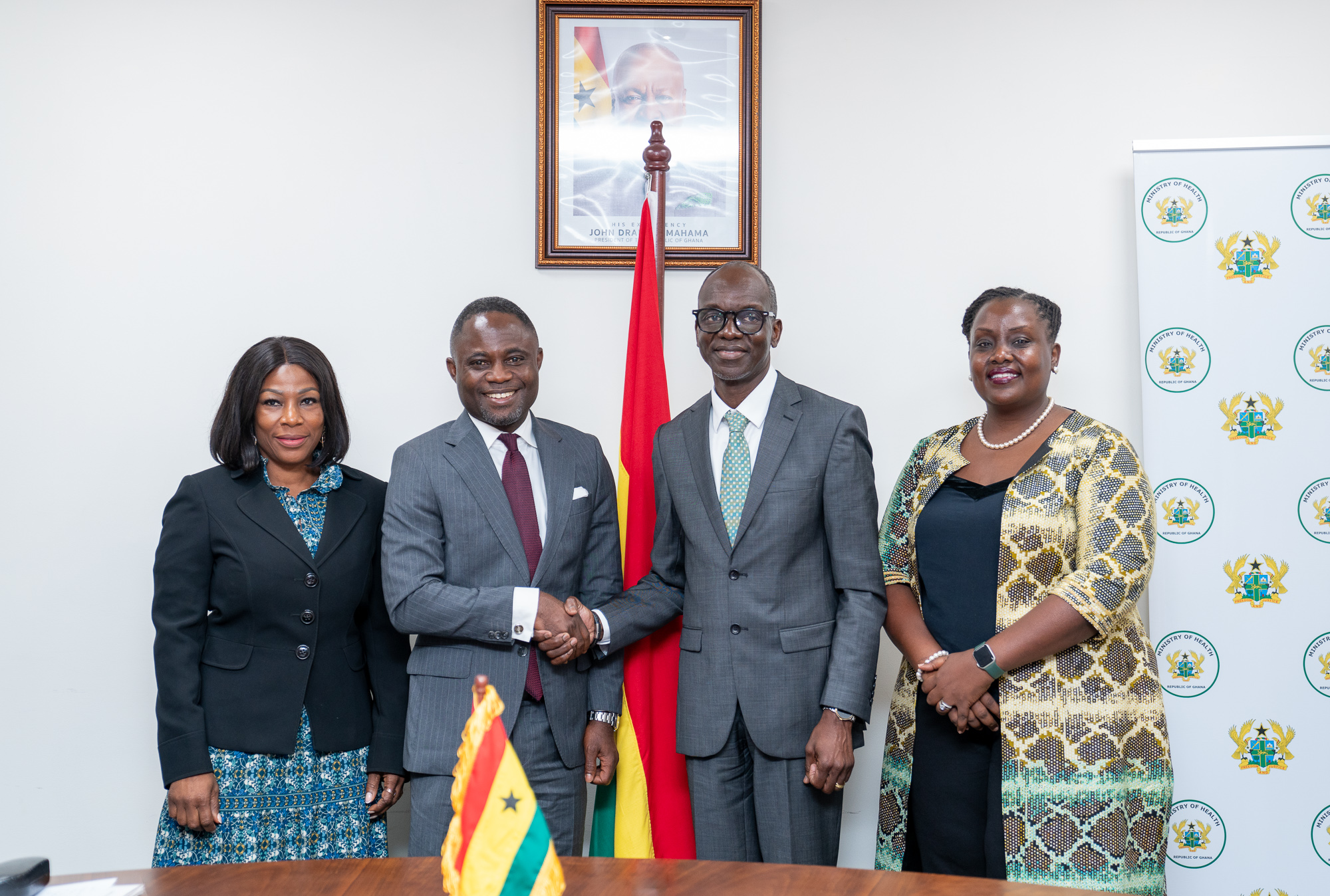
Separately, Dr Janabi led a series of high-level engagements throughout his three-day visit. He met with Ghana’s Minister of Health, Hon. Kwabena Mintah Akandoh, to align on national health priorities and explore avenues to strengthen WHO’s support. He also joined a meeting with Heads of UN Agencies in Ghana, advocating for closer collaboration across the UN system to fast-track achievement of health-related Sustainable Development Goals (SDGs).
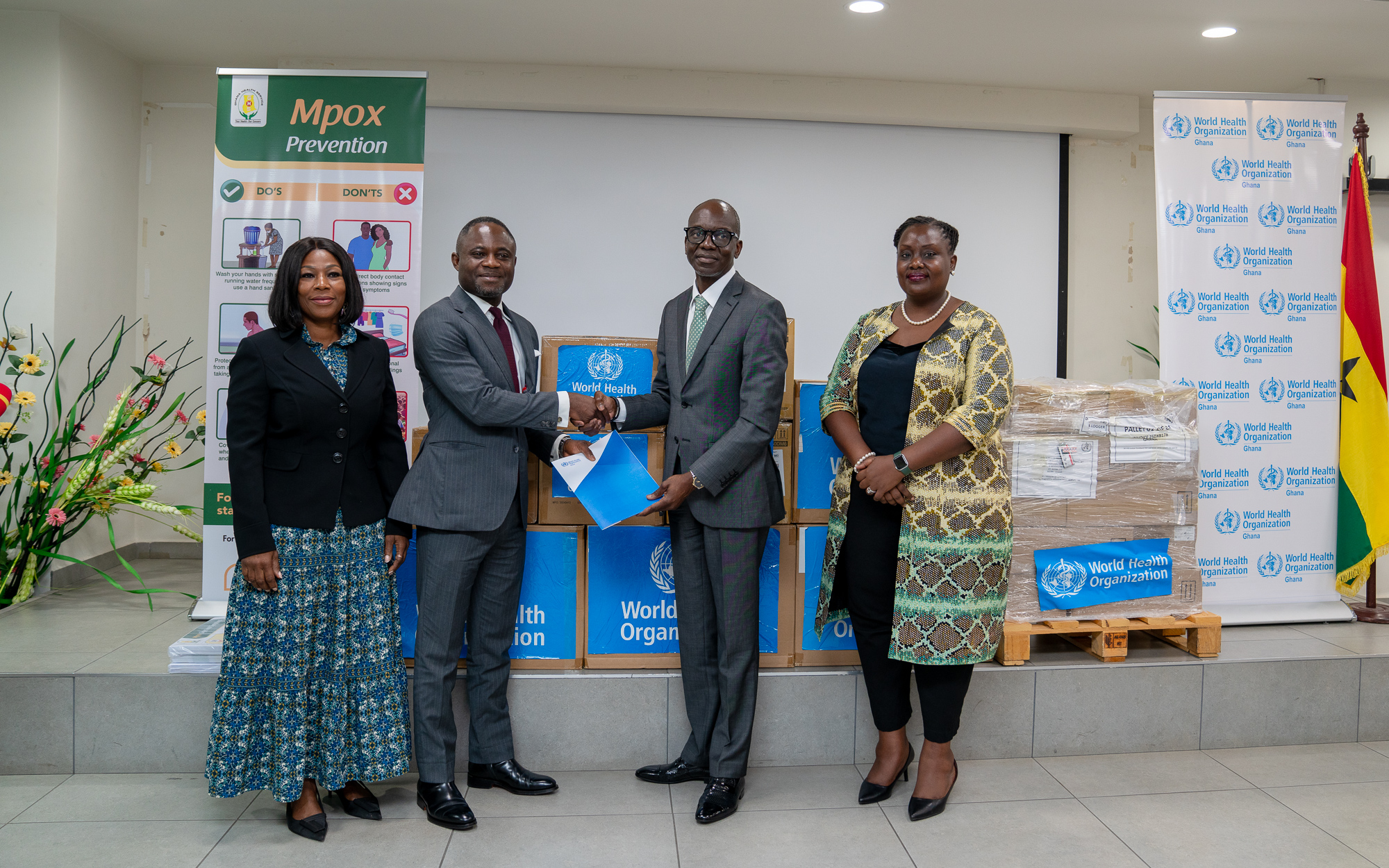
In line with WHO’s emergency support role, Dr Janabi handed over critical Mpox response supplies valued at USD 36,700 to Ghana’s health authorities, including PPEs and GeneXpert cartridges. The donation reflects WHO’s commitment to preparedness and rapid response in the face of disease threats.
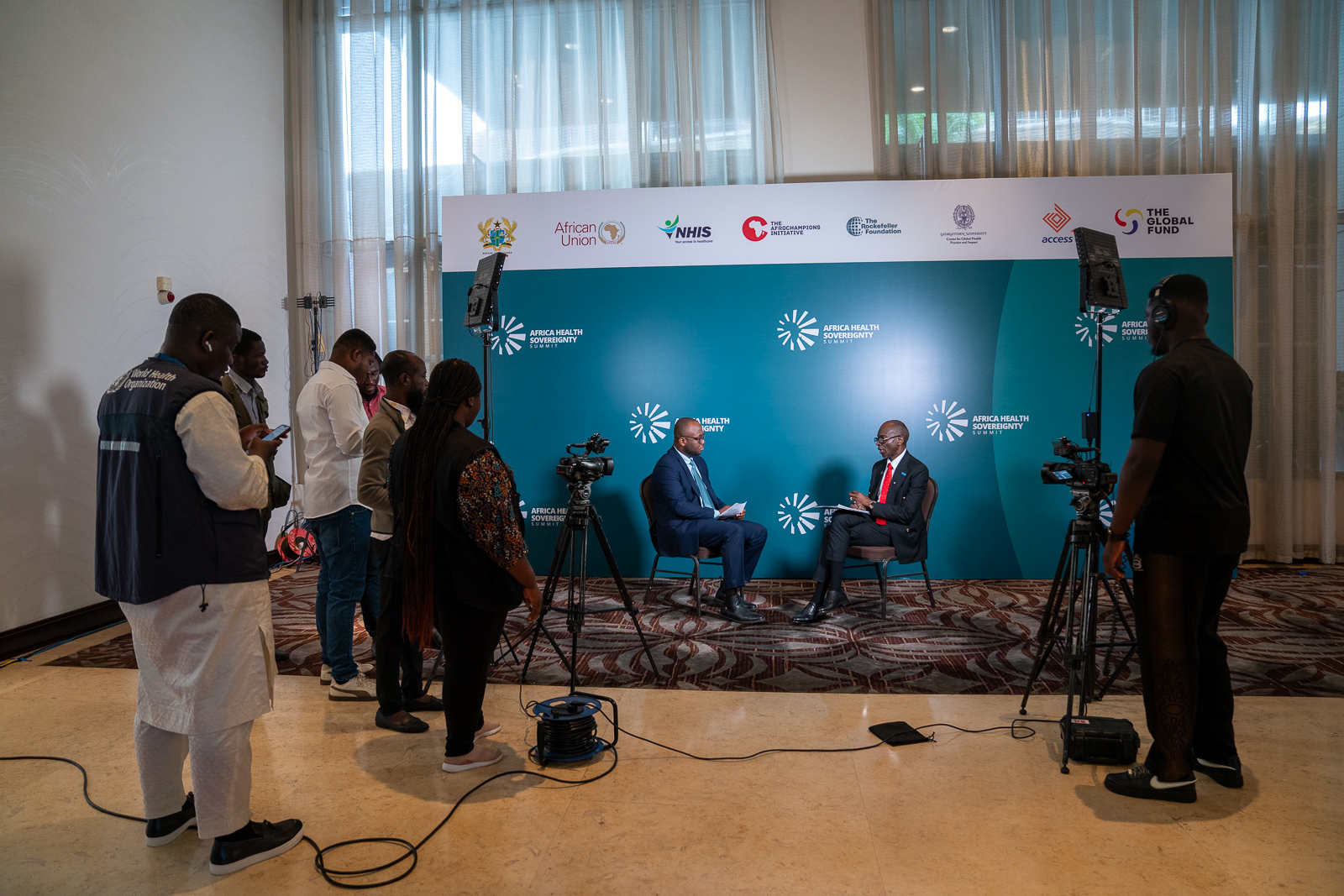
During his visit, Dr Janabi also participated in two major media engagements—interviews with JoyNews, one of Ghana’s leading news networks, and BBC.
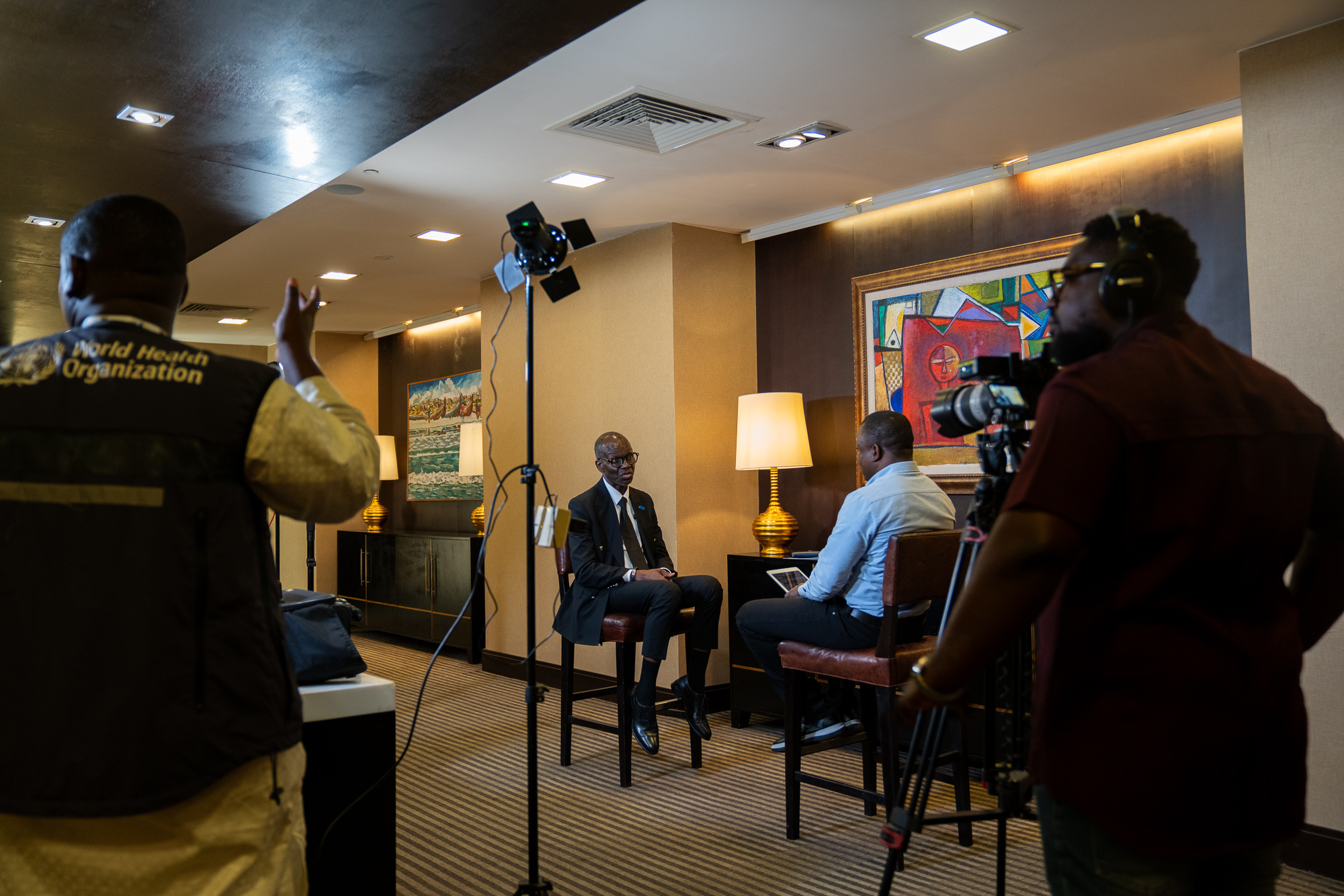
In both interviews, he outlined his vision for WHO Africa, stressing the importance of regional health leadership, greater country ownership, and the need to shift the narrative from aid dependency to empowerment. He emphasized WHO Africa’s focus on innovation, local solutions, and stronger partnerships to transform the continent’s health outcomes.
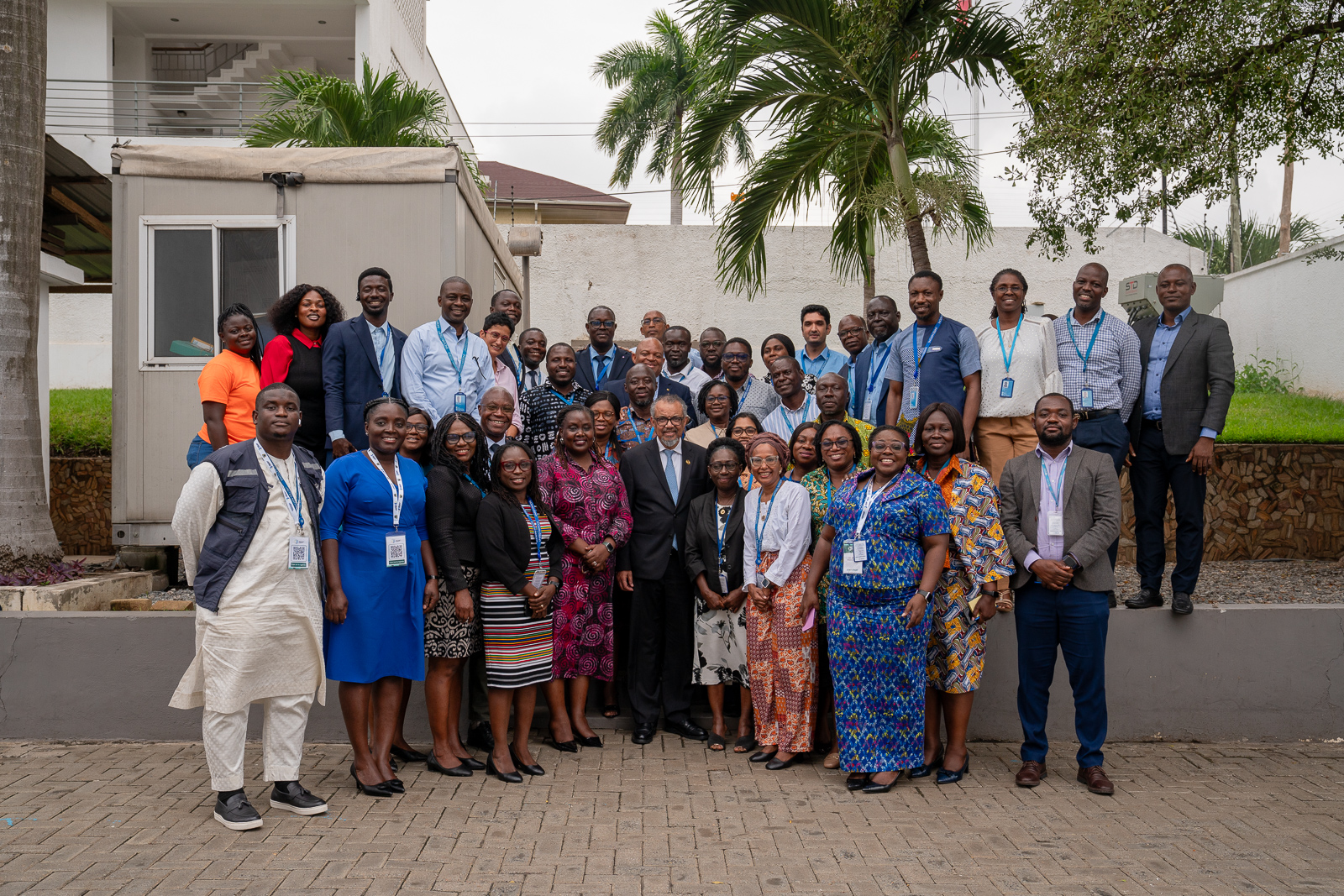
He later visited the WHO Ghana Country Office, where he met staff in a spirited townhall session.
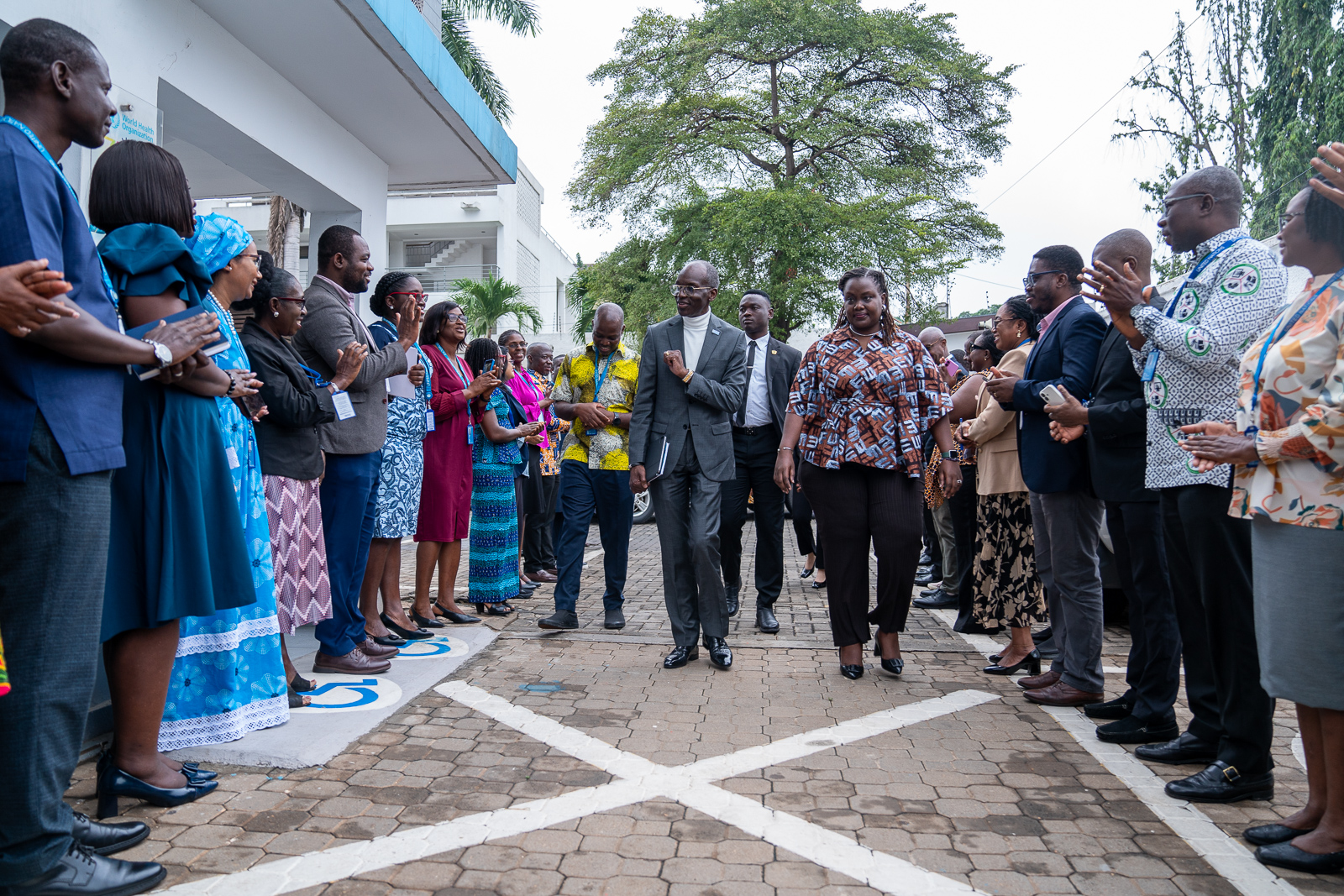
Together, they reflected on achievements, discussed operational priorities, and exchanged ideas on how to enhance impact at the country level.
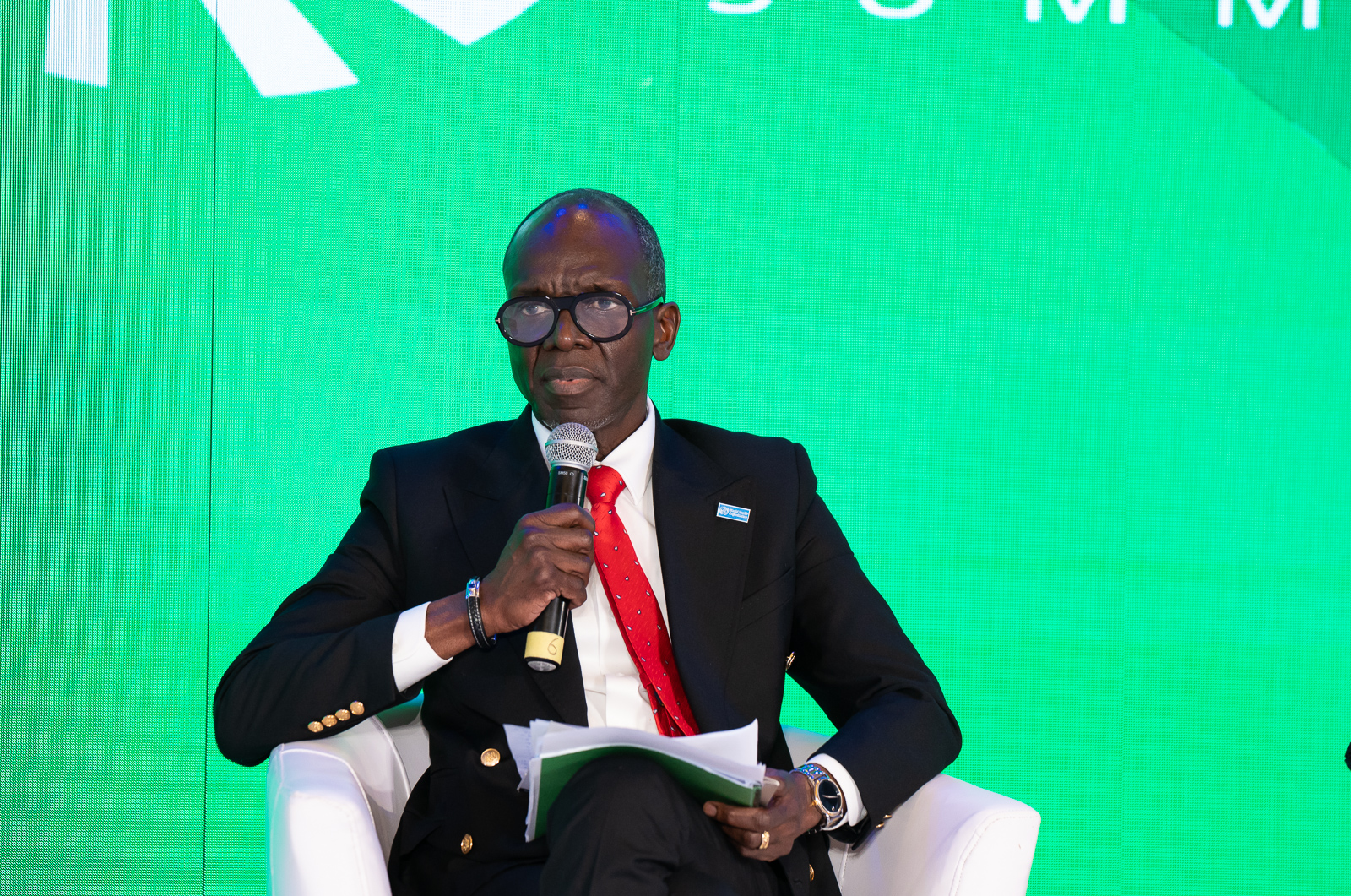
“True health sovereignty starts with shared responsibility. Development partners must walk alongside African countries, not ahead of them. Mutual accountability and country leadership are key to lasting change”, Dr Janabi said during the summit’s final panel".
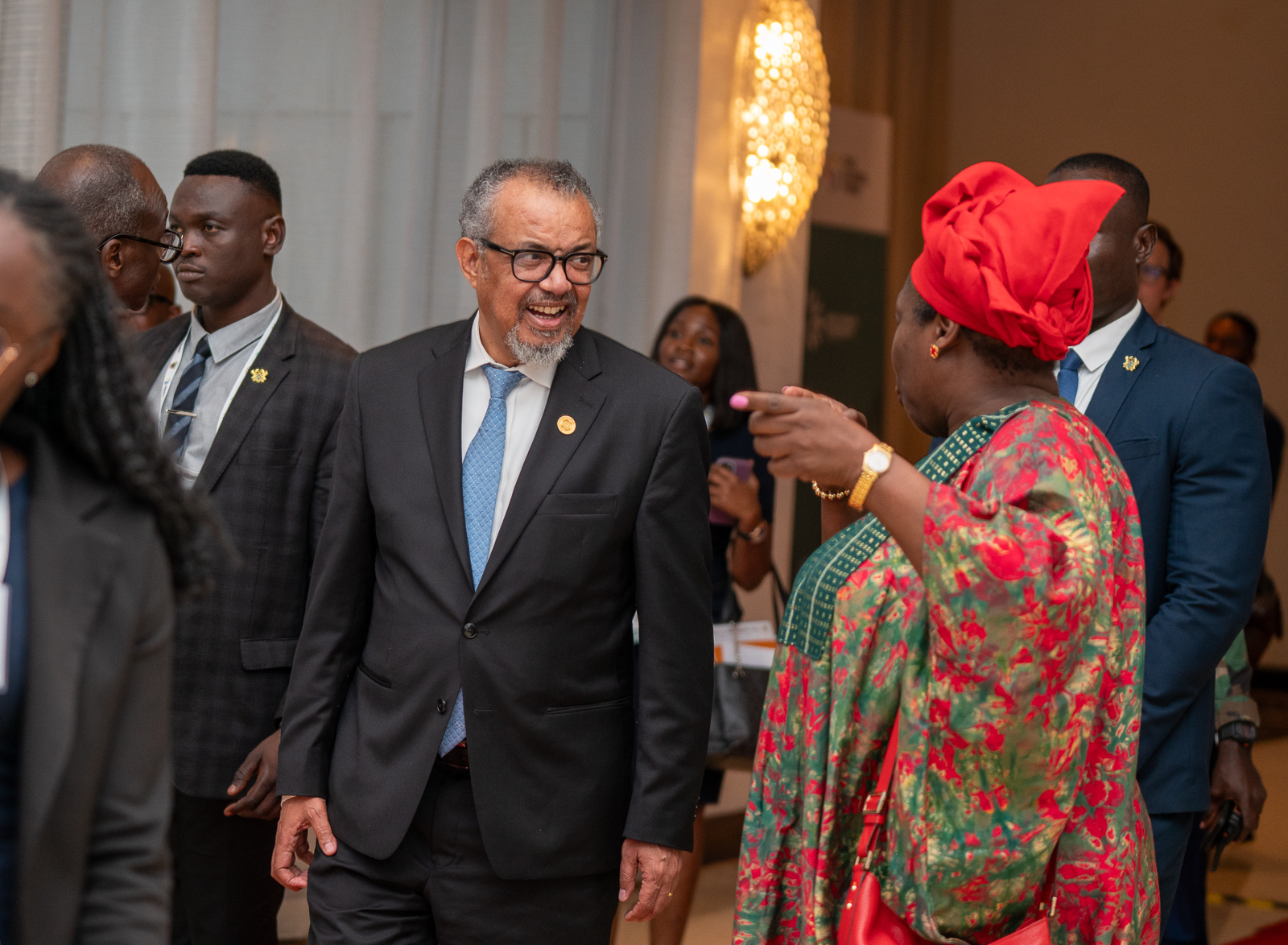
As the summit ended, it left behind not only declarations and speeches but a renewed sense of purpose. For WHO and its Member States, the message was clear: the journey to health sovereignty must be driven from within.
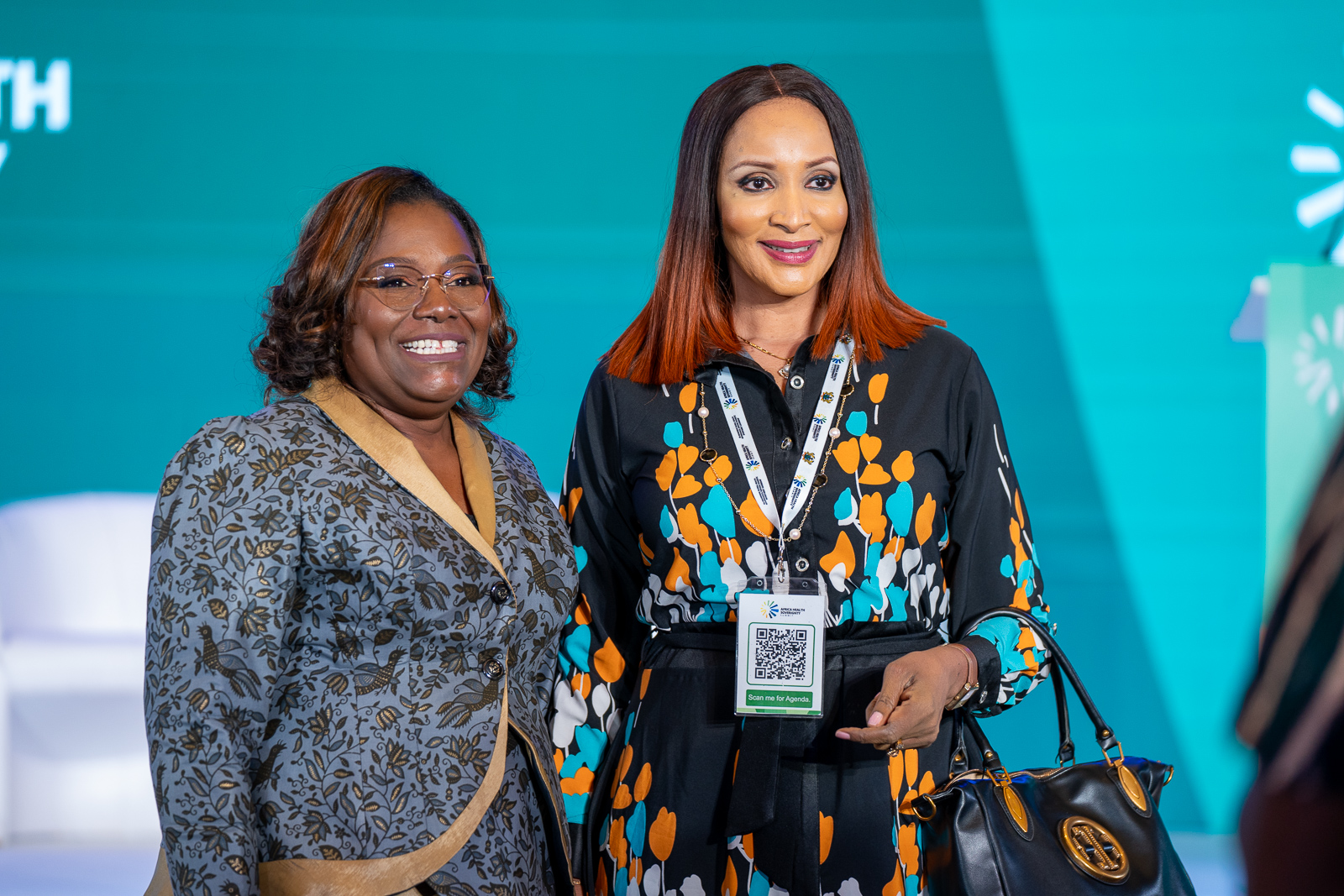
WHO reaffirmed its commitment to walking that path with countries—transforming bold ambitions into concrete action, and concrete action into better health for all.
For Additional Information or to Request Interviews, Please contact:
Abdul-Lahie Abdul-Rahim Naa
Communications Officer
WHO Ghana Country Office
Email: abdullahiea@who.int
Tel: +233 20 196 2393
For Additional Information or to Request Interviews, Please contact:
Abdul-Lahie Abdul-Rahim Naa
Communications Officer
WHO Ghana Country Office
Email: abdullahiea@who.int
Tel: +233 20 196 2393